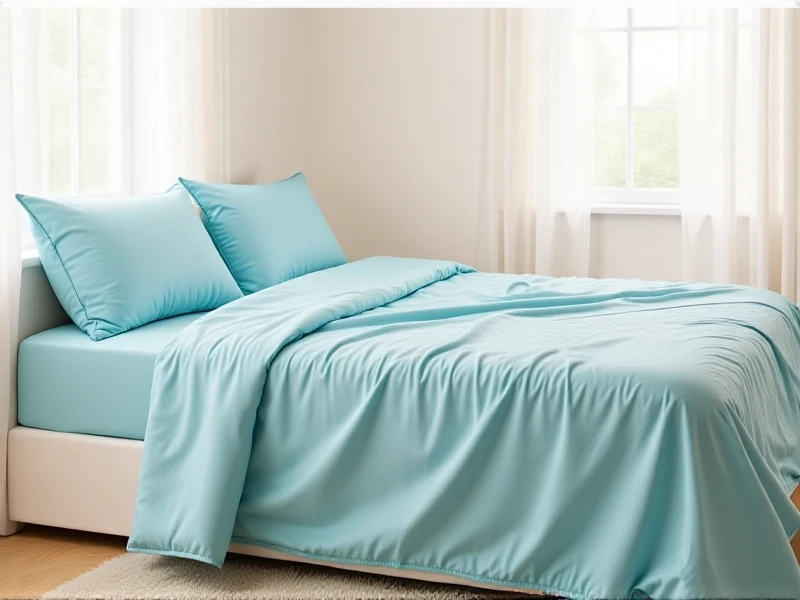
Optimize Your Sleep: The Ultimate Guide to Finding Quality Bedding
Quality bedding transforms your bedroom into a sanctuary and significantly impacts your sleep quality, mood, and overall well-being. Yet, with so many options flooding the market, choosing the right bedding—from sheets and comforters to duvet covers and pillows—can feel overwhelming. This guide demystifies the process, helping you invest wisely in comfort, durability, and style.
Why Invest in Superior Bedding? Your bed is where you spend roughly one-third of your life. High-quality bedding regulates temperature, wicks moisture effectively, and reduces allergens, leading to deeper, more restorative sleep. Studies suggest that better sleep improves cognitive function, skin health, and immune response, making your bedding choice a genuine investment in long-term health.
Key Factors When Buying Bedding
- Material Matters: Different fabrics offer unique benefits:
- Cotton (Especially Long-Staple like Egyptian or Pima): Breathable, soft, durable.
- Linen: Highly breathable, moisture-wicking, gets softer over time.
- Bamboo: Sustainably sourced, exceptionally soft, temperature-regulating.
- Microfiber: Affordable, wrinkle-resistant, easy care (ensure high-quality to avoid trapping heat). Avoid synthetics if you sleep hot or have sensitive skin.
- Thread Count: A Partial Story: While higher counts often indicate softer cotton sheets (aim for 200-800), thread count alone isn't definitive. Fiber quality, weave, and finishing play huge roles. Supima cotton at 300 TC will outperform lower-grade cotton at 1000 TC.
- Weave Affects Feel & Breathability:
- Percale: Crisp, cool, matte finish.
- Sateen: Smooth, lustrous, slightly warmer.
- Understand Fill & Comforters: Down offers unbeatable warmth-to-weight but needs high fill-power and ethical sourcing. Down alternatives (like polyester clusters or TENCEL™) are allergy-friendly and often more affordable.
- Your Climate: If you tend to sleep warm, prioritize breathable fabrics like cotton percale, linen, or bamboo Lyocell. For colder climates, a higher warmth comforter and flannel or sateen sheets can be cozy.
- Durability & Care: Check care labels. Quality bedding should withstand regular washing (aiming for durability of 4 to 6 years or more with proper care) without excessive fading or pilling.
Sustainable & Ethical Choices Are Growing Consumers are increasingly seeking sustainable bedding. Look for certifications like GOTS (Global Organic Textile Standard) for organic fibers, Oeko-Tex® for harmful substance testing, or Fair Trade to ensure ethical labor practices. Brands focusing on organic cotton, linen, TENCEL™ Lyocell, or recycled materials offer eco-conscious options.
Finding Your Style Beyond comfort and function, bedding defines your bedroom's aesthetic. Choose colors and patterns that create a calming atmosphere. Consider texture – mixing linen quilt covers with crisp percale pillow shams adds visual interest.
Making Your Final Choice Prioritize both personal comfort and material quality. Don't hesitate to touch the fabrics before buying if possible, or order samples. Remember, truly great bedding feels wonderful, looks beautiful, and supports your best rest, night after night.
Elevate your sleep experience. Invest in quality bedding tailored to your needs – your body, mind, and morning self will thank you. Explore collections from trusted brands focused on craftsmanship and comfort to find your perfect match.